Did You Know…
Radish (Raphanus sativus) is a member of the brassica family making it a relative of many of our garden vegetables including mustard, cabbage, broccoli, cauliflower, turnip, kohlrabi, kale, collards, horseradish and Brussels sprouts. The domesticated radish originated in Asia but is now grown throughout the world. Radish and its brassica cousins are also known as cruciferous vegetables because when mature they all grow a yellow flower with 4 petals that form a cross. Some of the large radish varieties are grown as a cover crop to suppress weeds and to improve soil condition as the roots “bio till” the soils and improve both aeration and drainage.
Types of Radish
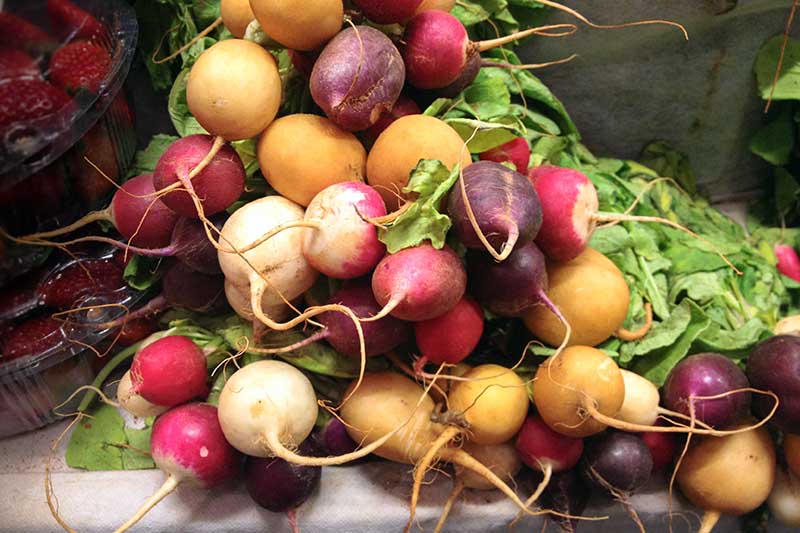
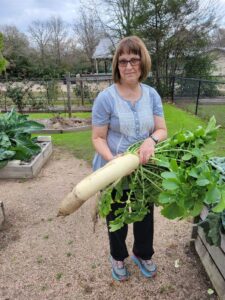
Radish varieties vary widely in shape, color and size. Shapes range from round to cylindrical to carrot shaped. Root skin colors can be white, yellow, pink, red, purple, green or black. Regardless of the skin color, most radish are white fleshed. The sizes of radish range from the small round ones less than an inch in diameter to large cylindrical ones like daikon which can be 3 inches wide and 2 feet long weighing up to 50 pounds. Varieties recommended for our area include Cherry Belle, Easter Egg Blend, French Breakfast, White Icicle and the daikon variety April Cross. In Japanese, daikon literally means “big root”.
When to Plant
Radish do best as a cool season plant, so we generally start early plantings in about mid-September and then make additional plantings through the fall and winter with the last planting in mid-March. Small radish can mature in under a month. Larger Daikon types can be harvested young but are generally allowed to get larger and harvested at 60 days or longer. To extend the harvest, radish plantings should be made in small amounts every week or two. Small radish should be thinned to stand about 2 inches apart. Large daikon should be planted 4 to 6 inches apart. This is a great plant for children to plant because they sprout and grow so quickly.
Harvest and Storage
Radish needs to be harvested when they reach a mature size but before they get too large and become pithy. Harvested radish roots can be stored for up to 2 weeks in the refrigerator kept in an airtight container. The entire radish plant is edible with the leafy greens tasing like other mustard greens. Flowers from over-mature radish can be used as an edible decoration and radish sprouts can add a fresh bite to salads. The bitterness of radish can be moderated by fresh pickling with a bit of salt, vinegar and sugar. A classic French sandwich also tames radish somewhat by combining sliced radish with a bit of salt and butter (it really is pretty good). Daikon is often use alone or with Chinese cabbage to make fermented kimchi.
Michael Vidrine
Brazos Valley Gardener, Orchardist, Apiarist and Instructor
Brown Butter Radishes
Ingredients
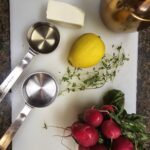
- 1 lb small radishes cut in half
- 1 tbsp olive oil
- 4 tbsp butter divided
- 3 sprigs fresh thyme
- 3 tbsp Messina Hof Off-Dry Riesling
- squeeze of fresh lemon
- 1/3 cup water
Instructions
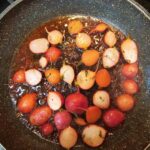
- Heat the olive oil and 2 Tbsp. of butter in a skillet over medium heat on the stove.
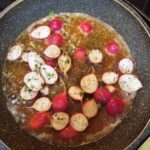
- Add in the radishes, thyme, wine, lemon juice, water and salt and pepper to taste.
- Bring to a boil and reduce the heat to medium low.
- Simmer uncovered until the liquid is mostly gone, and the radishes are becoming tender. If the radishes are still not tender, add more water as needed until they are.
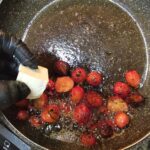
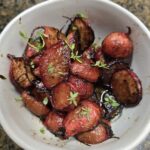
- Mix in the remaining butter, and simmer until the butter has browned, and the radishes are lightly seared.
- Keep an eye on the butter as it browns to ensure that it does not burn and turn bitter.
Notes
Wine Pairings for Dishes with Radishes
as recommended by Karen Bonarrigo & Merrill Bonarrigo
- Radishes, like broccoli and cabbage, is a cruciferous vegetable. Many different wines work well depending on preparation!
- Radishes served raw in slaws or pickled work well with light white wines with a hint of sweetness or fruitiness like Riesling or Viognier.
- Introducing fatty, fried or savory elements boost flavor weight and texture which mellow the radish flavors and pair well with richer heavier wines like Tempranillo, Malbec or even Sagrantino.
- The Brown Butter Radishes has the savory flavor of thyme and the fatty richness of the butter which works well as a side to bold red wine dishes. They make great snacks in an antipasti.
- If you use balsamic vinegar instead of lemon juice and red wine instead of white in the recipe, it becomes a heavier flavor weight that works with big bold reds.
Recommended wines:
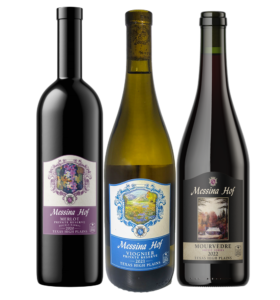
Merrill and Karen Bonarrigo, Wine and Food Pairing experts at Messina Hof Wine Cellars, Inc.