Did You Know?
Almost all citrus fruits that we eat are hybrids of three original citrus varieties – citron, pomelo or mandarin. A true lemon (Citrus × limon) is a hybrid of the citron and the bitter orange – itself a hybrid of the pomelo and mandarin. The lemon is thought to have originated from northern India about 1000 BC and India is still the world’s leading producer of lemons.
Types of Lemons
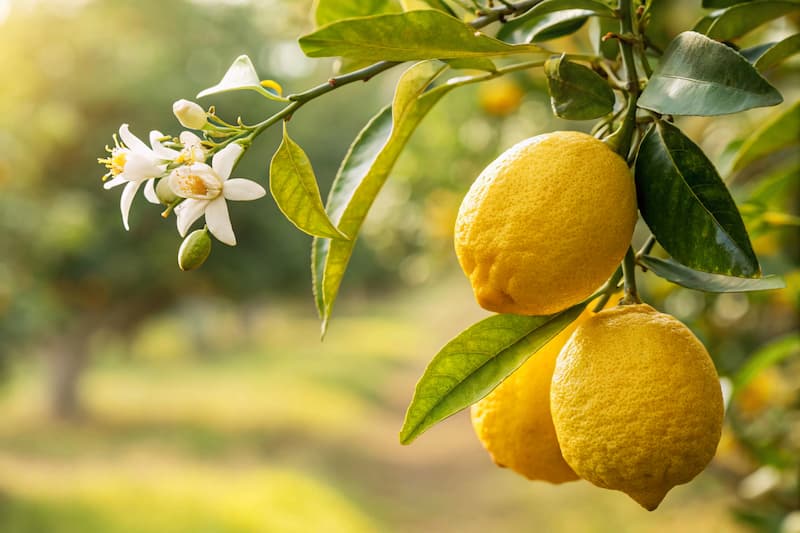
A standard lemon tree can get to 20 feet tall and wide while those grown on dwarfing rootstock will be half that or less. The trees are evergreen with shiny dark green leaves and wonderful smelling flowers. Many gardeners grow the plants as much for their attractiveness and flowers as for the fruit. Some widely grown varieties of lemon include Bonnie Brae, Eureka, Four Seasons, Lisbon and Sorrento – the Italian variety most associated with limoncello. Other citrus that are sometimes referred to as lemons, but are not true lemons include Meyer lemon, Ponderosa lemon, Volkamer lemon, Rough lemon and Jaffa lemon.
When to Plant
Lemons and many other citrus are subtropical plants and can be quite cold tender in our temperate climate with significant damage in the 20’s. For that reason, many choose to grow citrus in greenhouses or in large containers so they can be carted inside if there is particularly cold weather. That said, some citrus can be grown in the ground in our area if given appropriate protection during cold snaps. It is best to plant citrus in the spring after the worst of the cold weather is behind us. The tree should be planted on a South or Southeastern site with well-draining soil and preferably with a warm wall on the North side. It is very important to plant the young tree at the same depth it was grown in the nursery and to not fertilize for about a year after establishment. Heavy mulching is also beneficial but do not mulch against the trunk. Lemons will be grafted to a rootstock and freeze protection needs to especially focus on protecting the graft area. Alternate citrus varieties that are reportedly cold tolerant to 15 degrees include kumquats and satsumas. The Texas Superstar “Arctic Frost” – a satsuma – has survived temperatures as low as 9 degrees.
Harvest and Storage
Lemon trees flower over a long period from spring through summer and can have flowers, immature fruit and mature fruit all at the same time. Fruit can take 6 to 9 months to mature and peak harvest is usually in the winter until early spring. Lemons are not climacteric and must remain on the tree to ripen. Ripe fruit should be mature sized, fully colored and have a slight give and will usually come off the tree easily. Lemons can be stored in the refrigerator for up to a month. For longer term storage freeze whole lemons or juice. For really, really short-term storage, I recommend the lemon meringue pie that my wife makes. If you do juice the lemons, don’t forget that the lemon peels make excellent limoncello.
By: Michael Vidrine

Lemon Garlic Orzo
Ingredients
- 2 cups orzo pasta
- 1 tbsp olive oil
- 1/4 tsp red chili flakes
- 1/2 cup Messina Hof Semillon
- 1 1/2 cup chicken stock
- 2 cups whole milk or evaporated milk
- 1 Boursin cheese garlic and herb or shallot
- 2 lemons zested and juiced
- 1 bunch green onions thinly sliced
- 4 oz parmesan cheese shredded
- salt
- pepper
Instructions
- In a large pot on medium heat, add the olive oil and garlic and sauté until the garlic is fragrant and caramelized, about 3 minutes.
- Add the orzo and chili flake and toss to coat in the oil. Toast the orzo in the oil for about 5 minutes, stirring frequently.
- Deglaze the pan with the wine and cook until wine is fully absorbed.
- Add the chicken stock, lemon juice, and milk to the pan and reduce the heat to low. Allow to cook, stirring frequently, until the liquid is absorbed.
- Add the Boursin cheese, lemon zest, and green onion to the pan and stir well until the cheese is melted and the lemon zest and green onion are well incorporated.
- Stir in the parmesan cheese, season with salt and pepper to taste, and serve.
Notes
- Lemons come in different levels of sweetness. They add citric acidity to any dish. The more acidic the lemon juice, the more impact it has on the wine choice. Lemon juice’s bright flavors balance rich dishes and heavy ingredients, which creates a great juxtaposition at the table.
- White wines like Riesling, Gewurztraminer, and Pinot Grigio can complement strong lemon flavors if the acid of the wines is similar to that of the lemon.
- Sweetness in some wines, like Moscato and dessert wines, mask acidity in dishes and therefore can accommodate more acidic lemon flavors. Lemon juice can make sweet wines taste less sweet.
- Light lemon flavor can brighten light to medium red wines with low tannin.
- Lemon juice in wine can create wonderful cocktails like Messina Hof’s Moscato-tally Relaxed Wine Cocktail
- Recommended wines:
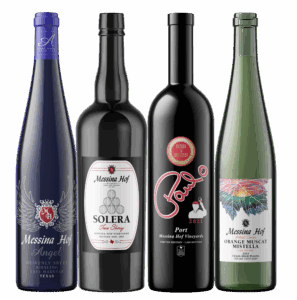
- Papa Paulo Port (chocolate cherry dessert wine)
- Angel (heavenly sweet late harvest Riesling)
- Orange Muscat Mistella (zingy dessert wine to match sweetness levels)
- Solera Sherry (decadent dessert wine)