
Did You Know?
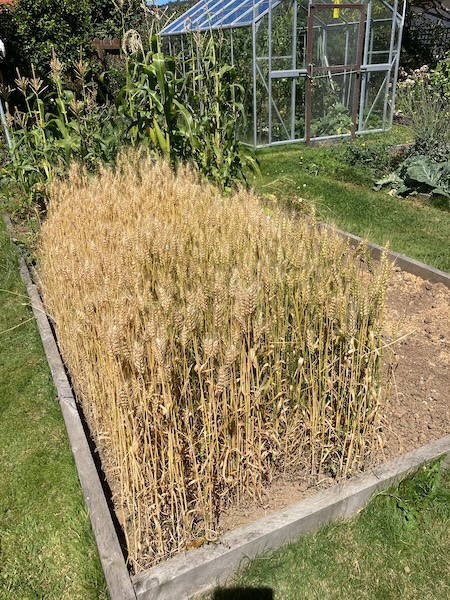
Various wild forms of wheat (Triticum) were being used as food as early as 21,000 BC and domestication of wheat began as early as 10,000 BC in western Asia around the fertile crescent. This makes wheat probably the oldest known cultivated grain. Today wheat is grown on more land than any other food crop. A head of wheat grain is called an ear – just like we refer to an ear of corn. In many countries wheat is referred to as corn and corn is referred to as maize. In good soil, wheat roots can grow as deep as 6 feet.
Types of Wheat
The most widely grown type of wheat is common wheat (T. aestivum). Other species include spelt, durum, emmer, einkorn, and Khorasan. Common wheat AKA “bread wheat” has several varieties including hard red winter, hard red spring, soft red winter, hard white and soft white. Varieties differ in the level of protein and hardness and for suitability for specific uses from bread to crackers to cakes to noodles. Texas primarily grows hard red winter wheat used for bread making with a small amount of soft red winter wheat used for cakes and crackers. In the US, Durum wheat is mostly grown in far northern states and Canada. Durham is very hard and is used primarily for pasta.
When to Plant
Wheat is an annual crop and commercially in Texas it is most often planted in autumn and harvested in early summer (winter wheat). Spring wheat varieties can also be planted for a late summer harvest. Wheat can easily be grown in a home garden with full sun and well-drained soil with neutral to slightly acid soil. Sow seeds about an inch deep and 2 to 3 inch spacing. Keep seeds moist until germination and then provide an inch of water throughout the growing season. The wheat should mature about 120 days after planting. A fertile 100-square-foot plot can yield as much as 5 to 8 pounds of wheat. To grow a full bushel would take about 1000 square feet.
Harvest and Storage
When the wheat is golden, dry, and hard (cannot be dented with a fingernail), cut the stalks with scissors or a sickle. Separate the grain from the chaff by beating bundles of wheat against a flat surface or container. Separate the chaff from the wheat by pouring the wheat from container to container in a breeze to blow away the light chaff. To eliminate pests, it is advisable to freeze any homegrown wheat berries for at least 3 days before further processing. Once clean, the wheat berries can be ground into flour using a home flour mill. Whole wheat berries can be stored in airtight containers in a cool, dark, and dry location for decades or even longer if frozen. Milled white flour can be stored in a similar fashion for up to a year or frozen for longer term storage. Whole wheat flour only stores for a couple of months at room temperature because of oil content and should be refrigerated or frozen for longer term storage.
By: Michael Vidrine

Raspberry Custard Kuchken
Ingredients
Crust
- 1 1/2 cups all-purpose flour divided
- 1/2 tsp salt
- 1/2 cup cold butter
- 2 tbsp heavy whipping cream
- 1/2 cup sugar
Filling
- 3 cups fresh raspberries
- 1/2 cup Messina Hof Blushing Angel Rosé
- 1 cup sugar
- 1 tbsp all-purpose flour
- 2 large eggs beaten
- 1 cup heavy whipping cream
- 1 tsp vanilla extract
Instructions
- Preheat the oven to 375°F.
- In a bowl, cover raspberries with Blushing Angel to soak, set aside.
- In a new bowl, combine 1 cup flour and salt; cut in butter until the mixture resembles coarse crumbs. Stir in cream; pat onto the bottom of a greased 13×9-in. baking dish. Combine the sugar and remaining flour; sprinkle over crust.
- Drain and arrange raspberries over crust. In a large bowl, combine sugar and flour. Stir in eggs, cream, and vanilla; pour over berries.
- Bake at 375° for 40-45 minutes or until lightly browned. Serve warm or cold. Store in refrigerator.
5 Tips for Wine and Wheat Pairing
Always pick your wine first!
Wheat is most commonly used in breads, pastas and cereals. Though there are subtle differences between different types of wheat, most of the flavor weight comes from what is added in the bread, pasta, or cereal.
The starch in the wheat adds a velvety texture to any dish and softens tannins and acid in wines.
The heavier the flavor weight of the selected wine, the bolder the weight of the bread, pasta or cereal you should choose. Heavier flavor weights like rye or dark wheat bread balance the bolder flavored wines while lighter breads like sourdough or white go better with white wines.
Recommended wines: