Did You Know?
Tomato (Solanum lycopersicum) plants are a tender perennial vine grown as an annual in our climate. The tomato is a fruit (a berry) treated culinarily as a vegetable. Besides tomato, the large Solanaceae family includes potatoes, eggplant, peppers, tomatillo, tobacco, petunia and poisonous nightshades. Tomatoes originated in South America and records indicate that they have been in cultivation for at least 2500 years. Spanish Conquistadores brought the tomato to Spain in the 16th century and from there tomato cultivation spread throughout the world. The Italian word for tomato is pomodoro from the phrase “pomo d’oro” – meaning “fruit of gold” because much of the original fruits were yellow.
Types of Tomatoes
Tomato plants are classified as determinate or indeterminate. Determinate plants tend to be short and bushy and set most fruit all at once. Determinate tomatoes are often grown for “putting up” – canning, sauces, freezing etc. Indeterminate plants tend to be taller and more vinelike and will set fruit throughout the growing season. Indeterminates are great for providing a longer fresh harvest. Tomatoes can be from cherry sized to very large beefsteaks weighing 2 pounds or more. Tomatoes come in a rainbow of mature colors including green, yellow, orange, pink, red and dark purple plus combinations of these colors. Tomato flesh can also be very juicy to quite firm with the firm fruit sometimes known as paste tomatoes because they will cook down quickly to thick sauces. There are many new very productive and disease resistant hybrid tomatoes introduced every year. Even so, many gardeners like to grow older heirloom varieties for their special taste though they may produce less than their hybrid cousins.
When to Plant
Tomatoes require warm growing conditions and transplants are set out after the last expected freeze in the spring and sometimes again in late summer for a fall crop. Many tomatoes – especially the larger fruited varieties – stop setting fruit in the hottest part of summer. They will perk up again as we approach fall temperatures, but many gardeners prefer to restart with new plants in late summer. Spring plantings may need to be protected if an unexpected cold front rolls through. Most tomato plants benefit from having a structure to grow on to keep the plant and the fruit off the ground. Full sized plants will be very heavy and require stout cages or trellises. Tomatoes are also heavy feeders and benefit from fertile soil kept evenly moist.
Harvest and Storage
Tomatoes are a climacteric fruit – once they are full sized, they will continue to ripen off the vine. Commercial producers take advantage of this by picking tomatoes a bit green and continuing to ripen them during shipping and at the store. That said, tomatoes ripened on the vine will have increased sugars, acids and flavor. Hence the difference between “storebought” and home-grown tomatoes. Totally ripe tomatoes only have a few days of shelf life however and should be consumed or processed quickly. Store tomatoes in a cool dark place until consumed. At the end of the season, pick all full-sized green tomatoes before a killing freeze and store them in a cool dark place to allow them to ripen. They will be at least as good as storebought. For long term storage, tomatoes can be canned, frozen, dried and turned into wonderful sauces. Pickled green tomatoes are a Southern staple.
By: Michael Vidrine

Tomato Pesto
Ingredients
- 1 pint cherry tomatoes
- 1/2 cup extra-virgin olive oil
- 2 tbsp Messina Hof Sangiovese
- 1/2 cup slivered almonds
- 1 large clove garlic peeled and smashed
- 1 cup packed basil leaves
- 1/2 cup grated Parmesan cheese
- 1 tsp kosher salt
Instructions
- Preheat your oven to 400°F. Line a sheet pan with aluminum foil or parchment paper. Arrange the tomatoes in a single layer, add 1 tablespoon of the olive oil, and mix well to coat the tomatoes. Roast for 20 minutes, then set aside to cool.
- While the tomatoes roast, toast your almonds. Add them to a small skillet over medium-low heat and cook, tossing occasionally until golden brown for about 5 minutes.
- Add the toasted almonds and the garlic to a food processor and pulse until finely ground. Now that your tomatoes are cooled, place them in a bowl, draining as much water out of them as possible. Add the cooled roasted tomatoes, Sangiovese, basil, Parmesan, and salt to the food processor and pulse well to combine, using a spatula on the sides of the food processor to push any food off of the sides. While the processor is running, drizzle the olive oil through the shoot until the mixture is emulsified and smooth.
Notes
5 Tips for Wine Pairings with Fresh Tomatoes:
- Tomatoes are a night shade fruit. It adds strong sweet vegetal flavors to any dish. Acidic white wines and light reds complement the raw fruit.
- The acidity of the wine needs to match the acidity of the tomatoes to be balanced. White wines blend best but light reds are a good match as well.
- Adding creamy herbed cheeses like the Boursin cheese gives the dish a heavier weight that complements dishes with heavier dry reds and rose.’
- Cooked tomatoes have a heavier flavor weight and texture. They also marry better with heavier reds. The spices and herbs added to tomatoes add flavor weight which require a heavier flavor weight of wine.
- Tomato Pesto combines the best of bright acidity in the tomatoes with the richness of the pesto. Lemon basil creates a brighter flavored pesto.
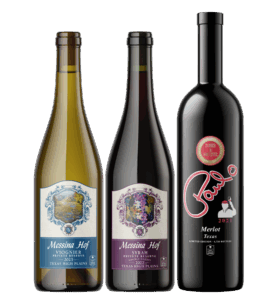
- Recommended wines:
- Messina Hof Viognier (dry crisp white wine)
- Messina Hof Private Reserve Syrah (dry jammy red wine)
- Paulo Merlot (dry red with cherry