Did You Know?
Sunflowers (Helianthus annuus) are native to North America and have been in cultivation by indigenous peoples for over 5000 years. Young sunflowers track the sun from east to west through the day while mature flowers stay in one position typically facing the morning sun.
Types of Sunflowers
There are over 70 different species of sunflowers and hundreds of hybrids. Varieties differ by the height of the plant plus the size and color of the flower. Many sunflowers have been developed as ornamentals and can be a few inches to over 9 feet tall – the record sunflower was over 30 feet tall. Sunflowers come in a wide range of colors including red, orange, yellow, green, pink, purple and combinations of colors. The largest flowers can grow up to 18 inches in diameter. Texas has several native sunflowers and, on our property, the common sunflower (H. annuus) and the Maximilian sunflower (H. maximiliani) grow wild. For the best edible seed production, the varieties Giant Russian, Mammoth and Grey Stripe are recommended. The Jerusalem artichoke (H. tuberosus) is also a native North American sunflower. This is a perennial sunflower (not from Jerusalem and not an artichoke) that produces edible tubers used as a root vegetable.
When to Plant
Sunflowers are a warm season annual that can be direct seeded after the last frost. Successive plantings can be made to mid-Summer to provide for a longer flowering period. Sunflowers like fertile soil and good moisture. As the name implies, they also like lots of sun. The tallest sunflowers should be planted where they get some protection from strong winds, or they can be staked. Sunflowers for seed take from 2 to 3 months to flower then another month or so to mature.
Harvest and Storage
Sunflowers are ready to harvest after the flower petals have turned brown and dry and the back of the flowers have lost their green color. Note that birds will try to beat you to the seeds. Cut the flower heads off with loppers leaving a few inches of stem as a “handle” and hang the flower heads by the stem in a cool dark place for a couple of more weeks to completely dry. Once completely dry, the seeds can be rubbed off the flower heads. The seeds are edible as is, but roasting brings out an even more nutty flavor. Store in airtight bags or freeze for long term storage. For the truly ambitious, shell roasted seeds then blend with a bit of oil and salt for sunflower butter.
By: Michael Vidrine
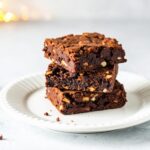
Sunbutter and Jam Brownies
Ingredients
- 1 cup butter browned
- 1 cup Papa Paulo Port Fudge Sauce
- 1 cup white sugar
- 3 eggs
- 2 tbsp vanilla
- 1 cup all-purpose flour
- 4 tbsp dark cocoa powder
- 2 tbsp espresso powder
- 3/4 tsp salt
- 8 Papa Paulo Port Fudge Truffles chopped
- 1/4 cup sunbutter
- 1/4 cup Messina Hof Spiced Winejam
Instructions
- Preheat the oven to 350°F/180°C. Line a square 8×8 baking pan with parchment paper and set it aside.
- Brown the butter: Melt the butter in a medium sized pan over medium heat. Once it melts, it will crackle, then become foamy – continue mixing the butter while this happens to prevent burning. The butter will go from melted to golden brown quickly, and you'll know it's almost done when the aroma of browned butter arrives. The whole process should take about 5 minutes! Once golden, remove from heat and transfer to a glass bowl.
- Whisk in the port fudge sauce until melted with the brown butter, it'll be smooth and glossy.
- In a separate small bowl, beat eggs, vanilla, and sugar on medium speed until pale and fluffy. About 2 minutes.
- Slowly beat into the chocolate mixture until combined.
- Add in cocoa, flour, espresso powder, salt, and chopped port fudge truffles. Fold until just mixed.
- Transfer into prepared baking pan. Place sunbutter and jame in teaspoons all over the top of the brownies. Using a butter knife, swirl through the batter until no mounds remain. Be sure not to fully incorporate into the batter.
- Bake for 25-30 minutes. The top will no longer look shiny, and it'll be extremely soft. A toothpick inserted should come out with moist crumbs, not wet like batter.
- Allow to cool completely in the pan before slicing.
Notes
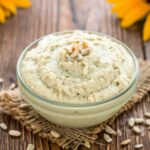
Chili Lime Sunflower Seed Dip
Ingredients
- 3/4 cup raw hulled sunflower seeds pre-soaked
- 1 large carrot boiled
- 3 tbsp olive oil
- 2 tbsp Messina Hof Tempranillo Private Reserve
- 1 1/2 tsp chili powder
- 1 tsp sea salt
- 1 tsp maple syrup
- 3 tbsp lime juice
Instructions
- Two hours before making the dip, place the sunflower seeds in a small bowl, cover with water and leave to soak.
- Bring a small pot of water to a boil on the stove. Peel and chop up the carrot into 1-inch pieces. Boil until fork tender and then drain.
- In a food processor or blender, combine the drained and rinsed sunflower seeds, olive oil, wine, chili powder, lime or lemon juice, sea salt, maple syrup and boiled carrot. Blend until totally smooth.
- Taste the dip and adjust for seasonings as necessary. Add more lemon juice, maple syrup or salt if necessary.
Notes
- Sunflowers are commonly eaten as seeds, oil, or butter. Oil can be refined or unrefined.
- Refined oil is the most common found in the stores. It has no added flavor. It only adds texture. Unrefined oil has a mild nutty flavor. Both styles of oil complement any wine. The nuttiness of the unrefined oil can add complexity to a dish paired with a light bodied delicate white wine.
- Seeds can be raw, roasted and salted or flavored. Raw sunflower seeds have a mild nutty flavor. Roasted seeds have little “sunflower” nutty flavor but salt is the strongest flavor for pairing wines. Now there are flavored Sunflower seeds which include dill, parmesan, taco, pepperoni pizza, creamy ranch, etc.!
- Wine pairings with roasted and salted seeds match well with soft reds and semi-dry wines. Wines paired with flavored seeds are determined by the flavor added to the seeds.
- Substitute SunButter, made from sunflower seeds and salt, into any recipe calling for peanut butter, almond butter, etc. It is a mild flavored fat that complements wines especially more tannic wines.
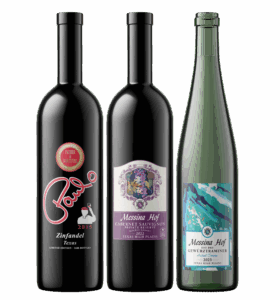
- Recommended wines:
Wine and Dark Chocolate – 5 Things to Know
- Dark chocolate has the highest cocoa content and therefore the boldest flavors which complement the bold flavors of dark red wines.
- Dark chocolate is a common descriptor for wines, especially Bordeaux reds (Cabernet Sauvignon, Merlot, Malbec, Petit Verdot), Zinfandel and wines with black fruit jammy flavors. These are wines with the same flavor affinity and make natural pairings.
- Spice adds heat, pungency, and boldness to the flavor of the chocolate. Wines of equal boldness and some spicy character match well like Zinfandel.
- Fruit flavors used in chocolate, like our Messina Hof Spiced Wine Jam, brightens the dish and makes it more approachable for white wines like the Off Dry Gewurztraminer.
- Always pair the appropriate wine to the strongest flavor in that dish.
- Recommended wines: