Did You Know?
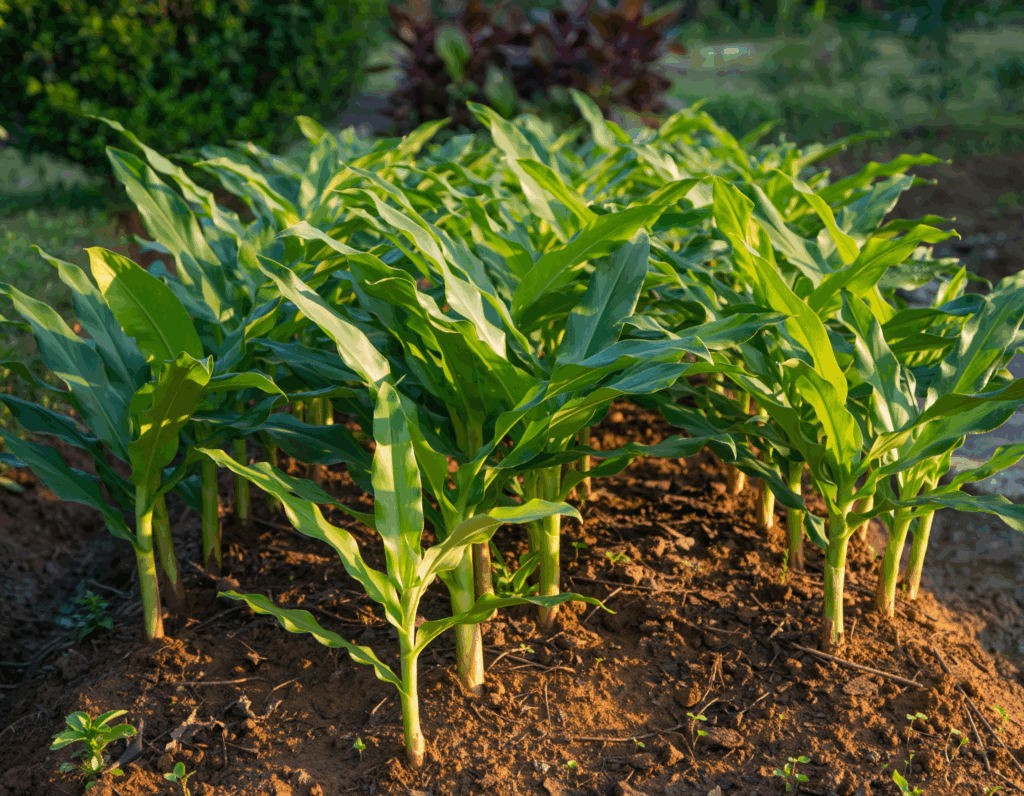
Ginger (Zingiber officinale) cultivation began over 5000 years ago in tropical Southeast Asia and spread throughout the Asia-Pacific region. The spice trade eventually brought ginger to the Mediterranean region about the 1st century. Ginger only made it to the new world when the Spanish brought ginger cultivation to the tropical Americas in the 16th century. Ginger is a cultigen (like corn, seedless grapes and many other crops) – a plant that exists because of human cultivation that does not exist in a wild form. Culinary spices turmeric and cardamon are relatives of ginger as is more remotely the banana. The native North American plant known as Wild Ginger (Asarum canadense L.), is not related to culinary ginger. Although this plant root has a somewhat ginger taste, consumption is discouraged because of possible hazardous compounds.
Types of Ginger
There are several types of culinary ginger differing by color, size, pungency and origin. Varieties include White, Yellow and Red Gingers as well as Emprit, Elephant and Ing Makhir. Culinary ginger can occasionally but rarely flower. There are however many gingers primarily grown as ornamentals for their flowers and tropical looking foliage. These include varieties of Butterfly ginger, Shell ginger and Shampoo ginger.
When to Plant
Ginger is a tender herbaceous perennial that will grow during our warm seasons but be dormant during colder weather. The plant is grown from pieces of the rhizome similar to the way we grow potatoes. The rhizomes should be cut into 1 to 1 ½ inch pieces a few days before planting to allow the cuts to callus over. Plant the pieces after the last freeze in the spring 6 to 8 inches apart and 3 inches deep in well-draining fertile soil preferably with lots of organic matter. Mulching the plants after the stems emerge is also beneficial. The plants can take full sun but will do best with a bit of afternoon shade. Depending on variety, the plants can easily reach 3 feet in height. Rhizomes or pieces left in the ground will overwinter in all but the harshest winters. Heavy mulching will help protect the dormant plants.
Harvest and Storage
Baby ginger (very mild and tender) can be harvested in 4 to 6 months and mature ginger at 8 to 10 months. The leaves of mature ginger will begin to yellow and die back in the fall – an indication that it is ready to harvest. Harvest by digging up the entire plant. Ginger can be stored in the refrigerator for several weeks. For long term storage, ginger can be dried, pickled, frozen or (my favorite) candied. When green, the stems of the plant (actually tightly rolled up leaves) can be used to add ginger flavor to soups and stews like we use lemon grass. Just be sure to remove the tough stems before serving.
By: Michael Vidrine
Thai Beef Salad
Ingredients
- 1/4 cup lime juice
- 2 tsp lime zest
- 1/3 cup brown sugar packed
- 1/4 cup vegetable oil
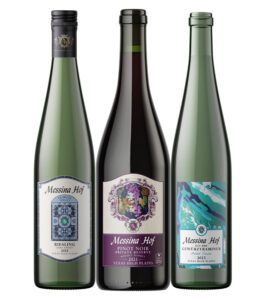
- 1/4 cup Messina Hof Off Dry Gewurztraminer
- 2 tbsp fish sauce
- 1 tsp Sriracha
- 1/4 tsp crushed red pepper flakes
- 3 tbsp fresh ginger very finely minced
- 3 cloves garlic minced
- 2 lbs skirt steak trimmed
- 8 cups romaine lettuce chopped
- 1 English cucumber sliced
- 1 cup carrots shredded
- 2 cups grape tomatoes halved
- 1/3 cup cilantro chopped
- 1/4 red onion sliced
- 1/2 cup green onions thinly sliced
- 1/2 cup fresh mint chopped
- 1/4 cup peanuts chopped
Instructions
- In a medium bowl whisk together the lime juice, lime zest, brown sugar, vegetable oil, wine, fish sauce, sriracha, crushed red pepper flakes ginger and garlic.
- Add half the marinade to the steak, coat well and let marinate for 20 minutes and reserve the rest for the salad dressing.
- Add butter to a large heavy skillet on high heat and add sear steak for 4 minutes on each side. Don't crowd the pan as the steak will steam instead of sear.
- Let steak rest for 10 minutes, then thinly against the grain and toss in the dressing.
- To a large bowl add the lettuce, cucumber, tomatoes, cilantro, red onion, green onions and fresh mint.
- Toss gently with remaining dressing and top with steak and garnish with chopped peanuts if desired.
Notes
- Ginger is a pungent, aromatic, spicy root of the plant. It is of the same family as turmeric and cardamom and has culinary and medicinal uses. It is slightly peppery and sweet.
- Fresh ginger is the most flavorful and aromatic. It is also available dried, pickled, preserved, candied, or ground. Ginger is very versatile and can be used on any dish or beverage. It is very common in Asian cuisine, and we typically use it at Thanksgiving.
- It marries well with fruits and honey and needs a heavier flavor weight of wine. Gewurztraminer is great pairing for it. The wine has a spice character that is complemented by the ginger.
- Wine pairings with ginger should make the wine sing – which means the food flavors should not overwhelm the wine but enhance its flavor. Gingers come in different sweetness and spice characters with some even having heat. Those with heat that are less sweet best complement wines with sweetness.
- Ginger can easily overwhelm wines, so extra care for flavor weight is helpful. Wines of heavier flavor weight, either by sweetness or flavor and texture, are the easiest to pair.
- Recommended wines;