Scripture
James 3:17 “But the wisdom that comes from heaven is first of all pure; then peace-loving, considerate, submissive, full of mercy and good fruit, impartial and sincere.”
Vineyard Lesson
Good Wisdom Produces Good Fruit
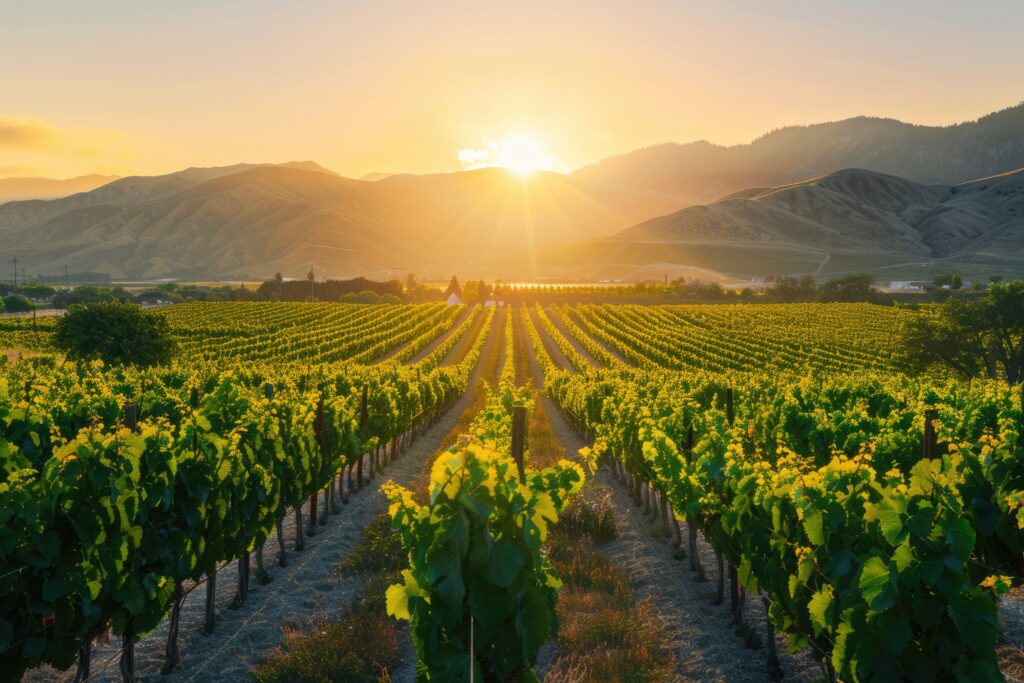
After harvest, the Vinetender reviews more than the number of clusters gathered. He considers the quality of the fruit, the health of the vines, the condition of the soil, and the way each decision affected the entire vineyard.A choice may look efficient in the moment, but wise stewardship is recognized by the kind of fruit it produces over time.
Devotional
Not every intelligent idea is godly wisdom. James gives us a practical way to recognize the difference. Wisdom from heaven carries the character of its source: it is pure, peace-loving, considerate, submissive, merciful, fruitful, impartial, and sincere.
The vineyard provides a helpful test. Tradition says that the Vinetender will make 2500 different decisions in the process from vine to bottle of wine. Some options may promise a quick result while quietly weakening the vines or burdening the people who care for them. A wise plan looks beyond immediate gain and asks what kind of fruit the decision will produce across the whole vineyard.
We need the same discernment. A choice can be clever but driven by pride. It can be persuasive but create confusion. It can protect our preference while overlooking mercy. Heavenly wisdom does not merely achieve an outcome; it reflects the nature of God along the way.
James begins with purity. God’s wisdom is unmixed with selfish ambition, deceit, or hidden agendas. It does not require us to compromise truth in order to succeed. Purity asks whether our motives can remain open before God.
Heavenly wisdom is also peace-loving and considerate. This does not mean avoiding every hard conversation. The Vinetender sometimes must address disease, imbalance, or damage directly. But wisdom handles truth without cruelty. It seeks restoration rather than victory and listens before reacting.
Wisdom is submissive—willing to yield to God’s authority and to receive sound counsel. Pride assumes that changing direction is weakness. Wisdom can admit that another perspective is clearer, that timing needs adjustment, or that a preferred plan is not producing healthy fruit.
Mercy and good fruit belong together. God’s wisdom does not remain an abstract idea; it becomes patience, fairness, compassion, honesty, and practical care. Its results can be seen in healthier relationships, cleaner motives, steadier decisions, and lives that reflect Christ.Today, examine one decision by the qualities James names. Does it lead toward purity and peace? Is it considerate, teachable, merciful, impartial, and sincere? Ask the Vinetender to remove earthly ambition from your reasoning and form within you the wisdom that bears good fruit in every row of life.
Key Takeaway
Heavenly wisdom is recognized not only by a smart outcome but by pure motives, peaceful character, mercy, sincerity, and the good fruit it produces.