Did You Know?
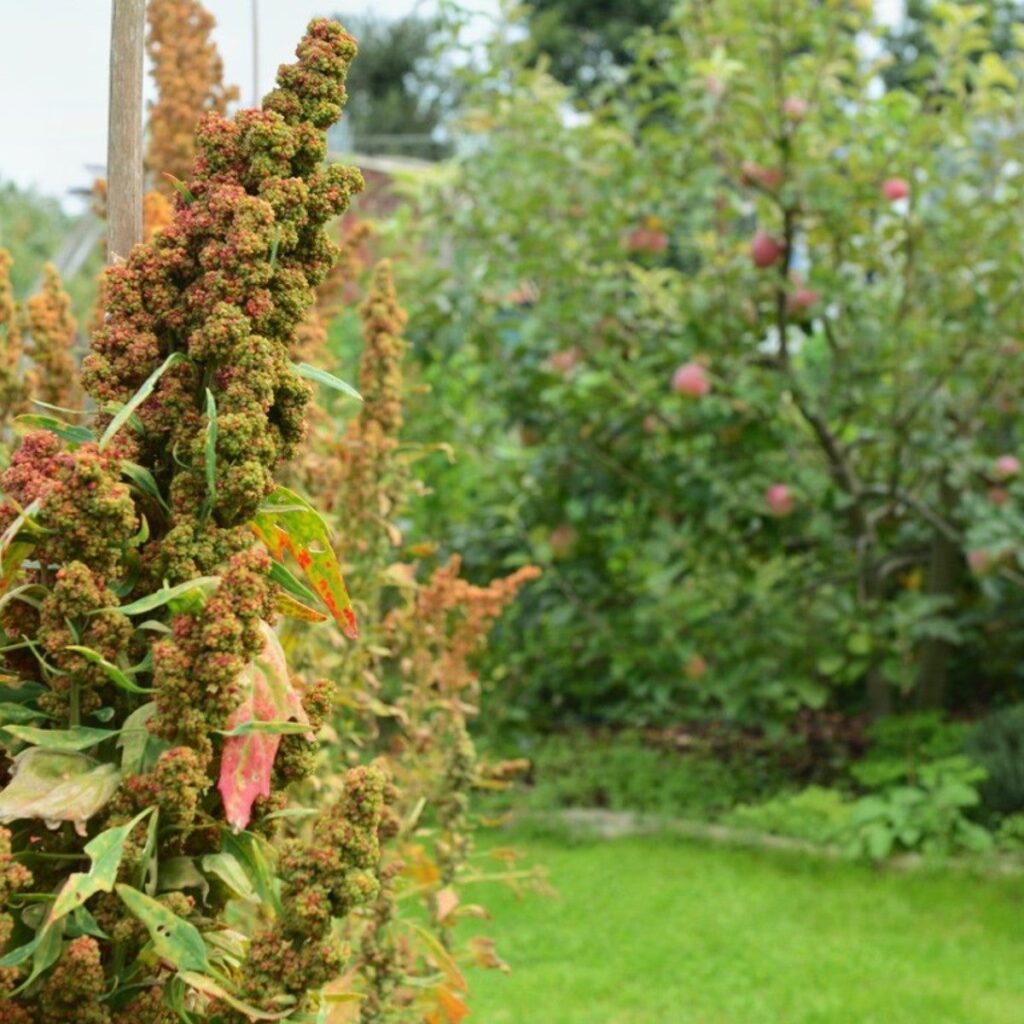
Quinoa (Chenopodium quinoa) is native to the Andean region of South America and has been in cultivation for over 5000 years. Unlike most cereal grains which are from grass plants (monocotyledons), quinoa is a dicotyledon flowering plant in the amaranth family related to spinach, beets, and the ornamental cockscomb. The plant was very important to the Inca civilization which called quinoa “chisiya mama” – the mother of all grains. The botanical name for the family, Chenopodium, means “goose foot” in Greek because the leaves supposedly resemble a goose foot or its tracks. I find that a good deal of imagination is required to spot the resemblance.
Types of Quinoa
Different quinoa varieties have been developed to grow best in different environments. In addition, varieties are broadly classified by the seed color and texture. The three main types of quinoa are white, red, and black. White quinoa has a mild taste and soft texture. Red quinoa is chewier with a nuttier flavor. Black quinoa is almost crunchy when cooked and retains its striking color. The black variety also has a more earthy flavor.
When to Plant
Quinoa originated at high elevations and the plants prefer cool growing conditions. In our zone, quinoa is best planted in mid-February for a late spring/early summer harvest. The seedlings tolerate light frosts but may need protection if we have a late hard freeze. Seeds are planted about ¼ inch deep and thinned to a foot apart. Mature plants with heavy seed heads may need support if there are strong thunderstorms. Kaslae and NL-6 are a couple of named varieties developed for lowland areas that will do best in our zone. Quinoa is relatively tolerant of salty soil and water conditions, which is great since our area tends to have both. One caution – birds love quinoa seeds.
Harvest and Storage
When mature, plants will begin dropping leaves and the seeds will be too hard to dent with a fingernail. Cut the whole seed head and continue drying indoors until the heads are brittle and the seeds easily thresh from the heads. Winnow the seeds from the chaff to remove the husks. Quinoa has a high quantity of soapy tasting saponin on the seeds which must be removed by washing before consumption. Rince the seeds several times with water until the soapy residue (no more foam) is gone. Cook the quinoa immediately or dry completely for storage. Stored in airtight containers, quinoa can be kept for a year or more. For longer term storage seeds can be frozen. Quinoa is gluten free and consuming quinoa may help improve early indicators of type 2 diabetes. Quinoa also provides a complete source of plant-based protein containing all nine essential amino acids. Quinoa is often added to salads for a bit of nuttiness. It is a healthy side dish instead of potatoes or rice. Dry toasting or stir-frying quinoa increases the flavor.
By: Michael Vidrine
Kale, Quinoa, and Farro Salad
Ingredients
- 1 cup farro cooked in vegetable stock
- 1 cup quinoa cooked in vegetable stock
- 2 cups kale chopped
- 1 cup cabbage slaw
- 1 shallot fine diced
- 1 can chickpeas drained
- 1/2 cup sliced almonds
- 1/2 cup dried cranberries
- 4 tbsp apple cider vinegar
- 4 tbsp Messina Hof Private Reserve Chardonnay
- 2 tbsp Dijon mustard
- 2 tbsp honey
- 2 garlic clove grated
- 1 tsp lemon zest
- 1 cup olive oil
Instructions
- In a large mixing bowl, add the farro, quinoa, kale, cabbage, shallot, chickpeas, almonds and cranberries. Toss to combine and set aside.
- In a small bowl, add the cider vinegar, chardonnay, mustard, honey, garlic and lemon zest. Using a whisk, slowly drizzle in the olive oil to emulsify. Taste and adjsust seasoning with salt and pepper.
- Pour half of the dressing on top of the salad mixture and mix thoroughly. If you would like to add more, add until you have the amount you would enjoy.
- Allow to chill for two hours prior to serving.
5 Tips for Wine and Quinoa
- Always pick your wine first! It is the centerpiece of the meal, and the food should complement your selection.
- Quinoa is a small seed and a neutral starch. It is healthy, gluten free, and can go with any wine. It is the preparation of the dish that will complement the wine and make it sing. Taste the wine and then taste the dish to make sure the dish does not overwhelm the wine.
- The starch in the quinoa adds a rich texture to any dish and softens tannins and acid in wines. You can add quinoa to a dish to make the dish more wine friendly. White, red, and black quinoa have different flavors and a blend adds a subtle flavor complexity.
- If you choose a white wine, use a citrus dressing or tropical ingredients to the quinoa. If you choose a red wine, use savory herbs and creamy dressing or sauce on the quinoa.
- The flavor weight of the ingredients added to the quinoa will determine how the dish pairs with the wine.
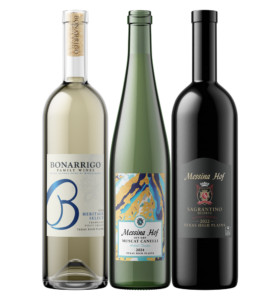
Recommended wines:
- Messina Hof Off-Dry Muscat Canelli
- Messina Hof Bonarrigo Heritage White
- Messina Hof Paulo Sagrantino Reserva