Did You Know?
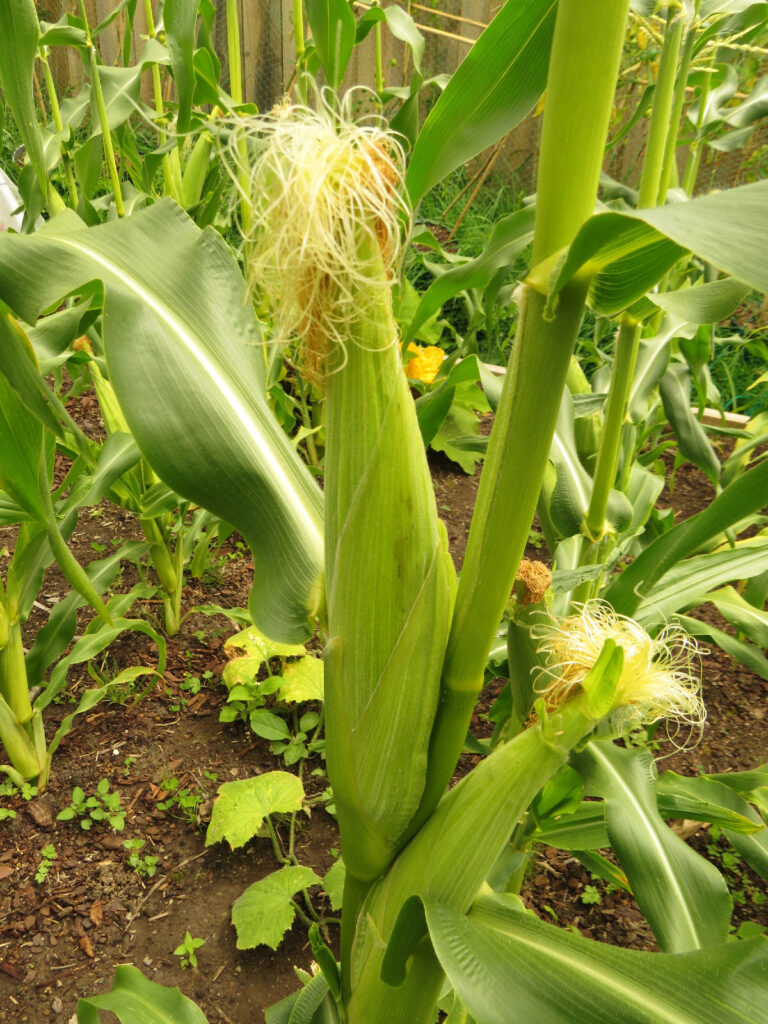
Corn (Zea mays) (aka maize) is the most cultivated grain around the world used for direct human consumption, animal feed and several manufactured products including ethanol. Corn was domesticated in Southern Mexico about 9000 years ago and was often grown along with beans and squash – a combination known as “The Three Sisters” – a technique still often used in home vegetable plantings. Some of the important nutrients in corn only become available if the grain is treated with an alkali solution – a technique the indigenous peoples invented and called nixtamalli – from which we get the word tamale – one of my favorite foods. Each corn plant has male flowers – the tassel – and female flowers which show up most obviously as the hair like silk. Each strand of silk when pollinated produces one corn seed.
Types of Corn
There are thousands of corn varieties, but they generally fall into six main types: Dent (field corn), Flint, Flour, Popcorn, Sweet, and Pod corn. Though not grown extensively, Flint corn – sometimes called Indian Corn – is a beautiful multicolored corn used for colored cornmeal and sometimes for decoration. In Texas over 90% of the corn grown is Dent corn, which is used for animal feed, corn starch, corn oil, corn meal, corn syrup and ethanol. The remainder of the Texas crop is mostly sweet corn grown for direct human consumption fresh, canned or frozen. Corn is very hybridized, and many varieties have been genetically modified for adaptation to different growing conditions as well as resistance to disease and insect damage. Home gardeners will generally grow sweet corn which is classified by sugar content and sugar retention as normal sweet, enhanced sweet or super sweet varieties. There are also varieties that are a combinations of sweetness types. Sweet corn can also be yellow, white or a combination of the two colors.
When to Plant
Corn is a warm season annual grass. If the soil is too cool, the seed may spoil before it can germinate – this is especially true for sweet corn varieties. April is usually the time to plant in our area with the potential for a fall crop planted in July. Corn is wind pollinated and should be planted in a block rather than in long rows to maximize pollen exchange. It is important to segregate corn varieties to avoid cross pollination to get the variety planted – remember we are going to eat the seed which will have the characteristics of the male and female flowers. Corn is a heavy feeder and will want very good fertilization and consistent water for good production.
Harvest and Storage
Field corn is harvested fully mature and dry after the stalks and leaves have turned brown. Field corn is edible as fresh corn if harvested immature but tends to be starchy and loses sugar content rapidly after harvesting. Sweet corn is harvested while still a bit immature and still tender and juicy generally about 20 days after the silks emerge. Corn silks will have turned brown and juice squeezed from a kernel will be milky rather than clear. It is generally best to harvest in the morning and cool the ears quickly to keep the sugar content high. Fresh corn can stored for a few days in the husks and in a plastic bag in the refrigerator. For longer term storage blanch and freeze the corn on the cob or as kernels. Corn can also be canned for long term storage but must be pressure canned because of its low acid content. One of my favorite dishes prepared with sweet corn is Maque Choux a wonderful blend of native American and Cajun cuisines that incorporates other garden vegetables available when the corn is ripe.
By: Michael Vidrine

Sweet Corn Tamale Cakes
Ingredients
- 1 1/12 cups corn kernels
- 1/2 cup butter softened
- 1/3 cup masa harina
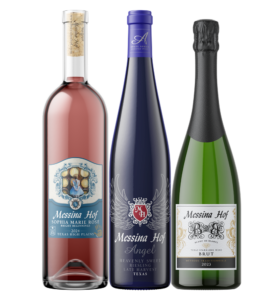
- 1/4 cup Messina Hof Late Harvest Riesling
- 2 tbsp milk
- 1/4 cup cornmeal
- 1/3 cup sugar
- 1/2 tsp baking powder
- 1/4 tsp salt
Instructions
- Preheat oven to 375 degrees F.
- Place corn in a food processor and pulse until it’s roughly chopped.
- In medium bowl combine butter, masa harina, wine, and milk. Beat until creamy.
- In a small bowl whisk together the corn meal, sugar, baking powder and salt.
- Add to the wet ingredients and beat until smooth.
- Add chopped corn and stir to combine.
- Grease a regular size muffin tin with cooking spray.
- Spoon the batter into the cups, about 2 tablespoons each.
- Bake at 375 degrees F for 15-18 minutes or until set and a toothpick inserted in the center comes out clean.
- To remove the corn cakes, place a wire cooling rack down on top of the muffin tin, and while holding them tightly together, flip the tin over so they come out onto the wire rack.
5 Tips for Wine Pairings With Corn
- Sweet corn is the best corn for wine pairing dishes as it has a natural sweetness in flavor with a big texture from its starch.
- The delicate sweetness of corn goes with most styles of wines and its texture creates a silkiness in the finish that balances the acidity and tannin in wine.
- Corn loses its sugar content over time. The fresher the corn the sweeter it is. As the sweetness level diminishes the complementing wine pairing will change. The freshest corn is the best corn.
- Popcorn is made from field corn which is different from sweet corn. Popcorn has little flavor or sweetness but we pair the wine to the butter, salt, and other added flavorings. Messina Hof Private Reserve Viognier is a great wine with buttered popcorn.
- The saltier the dish, and especially popcorn, goes best with the sweeter wine.
- Recommended wines: