
Did you Know?
More than half of the calories consumed by humans throughout the world comes from just three kinds of grass – rice, wheat and corn with rice being consumed by more people than any other grain. Rice (Oryza sativa) has been cultivated for over 10,000 years beginning in China. Texas is the 5th largest producer of rice in the US with almost 190,000 acres planted to rice mostly along the upper gulf coast.
Types of Rice
There are two species of rice. African rice (Oryza glaberrima) which is not very common and Asian rice (Oryza sativa) which is most widely known and grown. Wild rice (genus Zizania) is a group of North American native grasses not closely related to true rice. There are over 40,000 varieties of Asian rice grown around the world with different characteristics of color, size, flavor and suitability for different growing conditions. In Texas, the primary types include long grain rice, medium grain rice, Texas arborio, Texas Jasmine and Texas basmati. Brown rice is a minimally processed rice with only the hull removed while white rice is further processed to remove the bran and germ leaving only the endosperm.
When to Plant
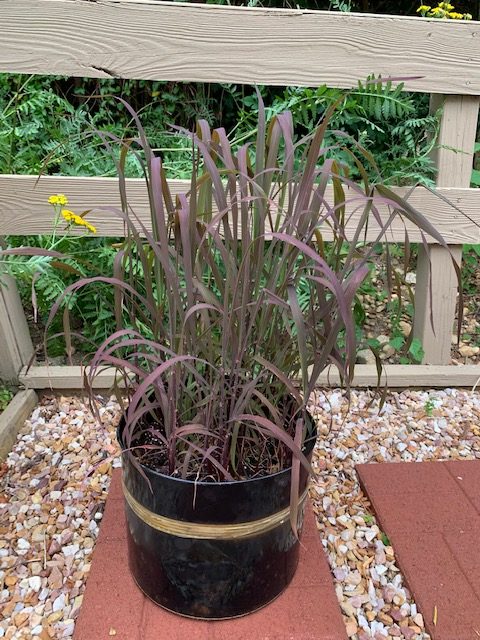
Most rice is grown on large farms that are carefully leveled to hold water as rice is grass adapted to grow in flooded or saturated conditions. The flooding of rice fields is as much about drowning weeds as it is about keeping rice plants moist. That said, rice can easily be grown in a home garden if desired. Rice is a tropical grass that can be perennial where it doesn’t freeze but we will grow it as an annual. Rice plants require warm conditions and a good deal of water to grow well. Sow purchased rice seed (not brown rice or white rice which are processed) directly in warm soil – April or later – rice does not like cool soil. The soil must be kept relatively moist and so many prefer to grow rice in a large container. If planted in a container, use potting soil rather than regular soil. Depending on variety, the rice plants will grow from 3 to 6 feet in height and can be very colorful and ornamental.
Harvest and Storage
Rice in Texas is usually harvested starting in late summer. Mature rice turns from green to golden and the weight of the rice bends the stalks over. When ready for harvest, allow the soil to dry out and then cut the entire stalks. Dry the stalks further indoors, if necessary, until the grain easily separates from the stalk, then thresh the grain to free it from the stalk. Dehull the threshed rice by rubbing vigorously between your hands or in a mortar and then winnow to remove the chaff. Processing rice is great for exercising and working up an appetite and may be part of the reason our ancestors were thinner than we are today. Brown rice can be stored in an airtight container in a cool dark location for up to 6 months or frozen for up to 18 months. White rice is very shelf stable and if kept cool in an airtight container can be stored for years or frozen for a decade or longer. Growing up in a Cajun family, we usually consumed rice every day for lunch and dinner. If we had leftover rice, we often had it scrambled with eggs for breakfast. Oddly we never ate rice as a dessert like rice pudding.
By: Michael Vidrine
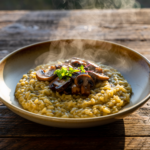
Truffle Miso Mushroom Risotto
Ingredients
- 1 tbsp salted butter
- 1 shallot finely chopped
- 1 pint mixed mushrooms cleaned and sliced
- 2 garlic cloves minced
- 1/4 cup white miso paste
- 1 1/2 cups arborio rice
- 1 cup Private Reserve Mourvedre
- 3 1/2 cups chicken broth
- 1/2 cup soy sauce
- 1/4 cup truffle oil
- 1 cup parmesan cheese grated
- salt to taste
- 1/2 tsp pepper
- 1/4 cup parsley minced
Instructions
- Melt the butter in a large sauce pot or dutch oven over medium heat. Add the shallot and saute until tender, about 8 minutes.
- Add the mushrooms, miso, and garlic. Saute until the mushrooms are tender and the juices evaporate, about 5-7 minutes.
- Stir in the arborio and saute for a few minutes.
- Mix together your Mourvedre, stock, and soy sauce and warm on the stove in a medium sauce pan. Be sure not to boil the stock and wine mixture.
- Add one cup of liquid to the rice; cook until the liquid is absorbed, stirring often, about 2 minutes.
- Continue adding the liquid one cup at a time; Each addition, simmer over medium-low heat until the liquid is absorbed, stirring often, about 3-5 minutes. Continue to cook until the rice is just tender and the mixture is creamy.
- Stir in the Parmesan, truffle oil, and parsley. Season with salt and pepper, to taste.
- Always pick your wine first! It is the centerpiece of the meal, and the food should complement your selection.
- Rice is a neutral starch and therefore can go with any wine. It is the preparation of the rice that will complement the wine and make it sing. Taste the wine and then taste the dish to make sure the dish does not overwhelm the wine.
- The starch in the rice adds a velvety texture to any dish and softens tannins and acid in wines. You can add rice to a dish to make the dish more wine friendly.
- Risotto is a popular dish that can be added to any meal. There are so many different seasonings that can be added to change the flavor of the risotto. It is the seasoning that will create the marriage of food and wine.
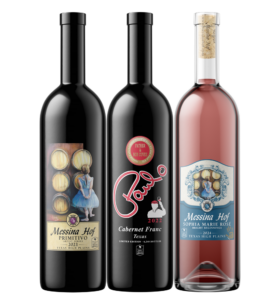
- Truffle Mushroom Risotto featured by the Vintage House Restaurant in our recipes has deep rich umami flavors that fill the mouth and give great flavor weight to the food. Wines of high flavor weight like bold reds and rich rose’ are perfect with this recipe.
- Recommended wines: