Did You Know
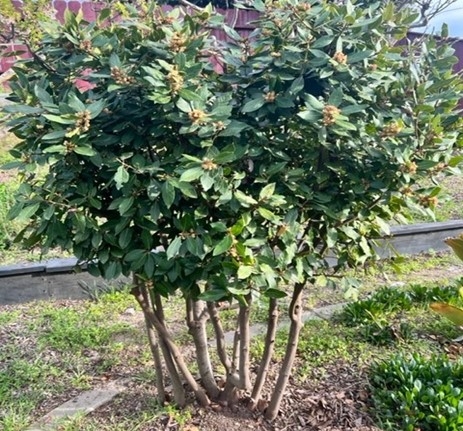
Bay laurel (Laurus nobilis) is native to the Mediterranean region where in earlier times it forested large areas in almost pure stands. The trees are evergreen and diecious – with male and female flowers on separate plants. Female plants produce small black fruits with one seed. Bay Laurel trees can reach 40 feet or more but, in our area, tend to be grown as a shrub to 8 – 12 feet. Other plants in the lauraceae family include Cinnamon, Camphor, Avocado and Red Bay. Red Bay (Persea borbonia) is native to Southeast Texas and its leaves can be used as a substitute for Bay Laurel. Carolina Cherry Laurel (Prunus caroliniana), a small native tree often grown as an ornamental, is not in the Laurel family and the leaves, fruit and branches from this plant can be toxic to pets, cattle and people. California Bay Laurel (Umbellularia californica) native to the west coast is also not a true laurel and not recommended as a spice because of some of the compounds it contains.
Types of Bay Laurel
Besides the standard Bay Laurel, there is a gold form ‘Aurea’ with bright yellow leaves and a willow leafed variety ‘angustifolia’. All varieties make an attractive evergreen shrub or small tree. The plants can also be hedged and made into topiary.
When to Plant
Like our other perennial shrubs, Bay Laurel should be planted during the cool season so it can establish before the heat of Summer. Bay Laurel can be cold tender in our zone so Fall and Winter plantings may need freeze protection particularly when young. Early Spring plantings are OK as well and can avoid the coldest temperatures. Plant in fertile well drained soil in full sun but it will also be best for some protection from the worst of the afternoon heat. The plants do best with consistent moisture but not wet feet. Bay laurel can also be grown in a large container similar to the way many gardeners grow citrus plants.
Harvest and Storage
Leaves can be harvested at any time and used fresh or dried. Well dried leaves stored in airtight containers will keep for a year. The leaves are most often used whole in soups, stews etc. and removed before serving as they remain whole and tough and unpleasant to bite into.
By: Michael Vidrine
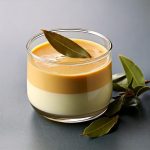
Bay Laurel Panna Cotta
Ingredients
- 1/2 cup water
- 1 1/2 tsp unflavored gelatin
- 1 1/2 cups creme fraiche or sour cream
- 1 tbsp fresh lemon juice
- 1 tbsp Messina Hof Orange Muscat Mistella
- 1 tsp vanilla extract
- 1 1/2 cups heavy whipping cream
- 3/4 cup sugar
- 3 fresh or dried bay leaves
- candied orange peel optional
- toasted cashews optional
Instructions
- Place 1/2 cup water in small bowl. Sprinkle gelatin over water and let stand 20 minutes to soften.
- In as separate bowl, whisk crème fraîche, wine, lemon juice, and vanilla extract in large bowl.
- In a heavy bottomed sauce pan, bring cream, sugar, and bay leaves just to boil, stirring to dissolve sugar.
- Remove pan from heat, cover, and let bay leaf steep 10 minutes. Discard bay leaves.
- Add gelatin to hot cream, stirring to dissolve. Whisk in crème fraîche mixture.
- Divide custard among eight ramekins, about 3/4 cup each.
- Cover and chill until set, at least 3 hours and up to 1 day.
- Garnish with candied orange peel and cashews and serve.
5 Tips for Wine Pairings with Bay Leaf:
- Bay Laurel/Leaf is an evergreen tree or bush that provides landscape beauty as well as savory flavors in cuisine.
- Both dried and fresh have long lasting flavor. Fresh is more pungent. It adds flavor weight to any dish. It is often used in soups, stews, and stocks.
- The flavors and aromatics speak to a woodsy, pine fresh character with a deep earthy tone.
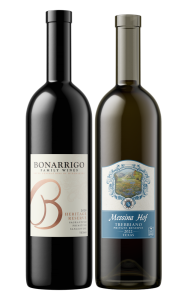
- Dry white wines like Trebbiano have a creamy flavor weight that complements the astringency of the bay leaf flavor. Used in savory dishes it provides a bridge with dry reds. .
- Recommended wines: